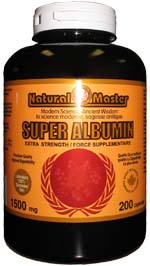
Approximately one-half of the non-water mass of the human body is protein. Proteins compose some structural parts of the body such as cartilage and tendons. Albumins are widely distributed in plant and animal tissues. The health benefits of Albumin is amazing. Albumins normally constitute about 55% of the plasma proteins. They adhere chemically to various substances in the blood thus play a role in their transport. Albumins and other proteins of the blood aid significantly in regulating the distribution of water and maintenance of proper osmotic pressure in the body. SUPER ALBUMIN not only contains Royal jelly from pure mountains but also is very rich in quality because it provides all the essential amino acids that the human body requires for growth and tissue maintenance than any other products. SUPER ALBUMIN is shown to also contain essential minerals including Potassium, Magnesium, Calcium, Phosphorus, Copper, Zinc, Iron. SUPER ALBUMIN is also a good source of riboflavin and selenium along with essential vitamins such as folate, B12, niacin, betaine and choline. SUPER ALBUMIN has unique physical, chemical properties and perfectly balanced amino acids. These are some of the aspects of amino acids; Arginine: essential to the diet of children for the maintenance of normal rates of growth. Asparagine: important in the metabolism of toxic ammonia in the body. Cysteine: participates in the catalytic reactions of certain enzymes. Glutamic acid: serve as both an acceptor and a donor of ammonia. Glycine: participates in several important reactions, including the biosynthesis of heme, an important constituent of hemoglobin, and the biosyntheses of serine, purines (constituents of genetic material), and glutathione. Histidine: an essential amino acid for infants. important source of carbon atoms in the synthesis of purines. participates in the catalytic functions of chymotrypsin, as well as those of a number of enzymes dealing with the metabolism of carbohydrates, proteins, and nucleic acids. Isoleucine: contributing to the structure of protein. Leucine:contributing to the structure of protein. Lysine: essential amino acids to support growth in children and general well-being in adults. Its side chain has also been implicated In the binding of several coenzymes (pyridoxal phosphate, lipoic acid, and biotin). Methionine: an important source of dietary sulfur. reacts with adenosine. triphosphate to form S-adenosyl methionine, a potent donor of methyl groups. S-adenosyl methionine is the principal methyl donor in the body and contributes to the synthesis of many important substances, including epinephrine and choline. Phenylalanine:essential amino acid. contributes to the structure of proteins. Proline: Proline and its derivate hydroxyproline, make up some 21% of the amino-acid. residues found in collagen, the fibrous protein of connectivetissue. Serine: important in metabolism in that it participates in the biosynthesis of purines and pyrimidines, cysteine, tryptophan (in bacteria), and a large number of other metabolites. Threonine:essential amino acid. Tryptophan:Nicotinic acid (niacin), a vitamin of the B complex, can be made from tryptophan. Deficiency of tryptophan enhances the progress of pellagra. Tyrosine: a precursor of the adrenal hormones epinephrine and norepinephrine as well as of the thyroid hormones, including thyroxine. Melanin, the skin and hair pigment, is also derived from it. Valine: contributes to the structure of proteins.

|
SUPER ALBUMIN! FOR YOUR VITALITY Suggested Use: 1-2 capsules daily with or without meals as a concentrated whole food supplement. Packaging: 200 capsules. MADE IN CANADA |